Followers

Wednesday, 23 April 2014

 HEALTHY BODY

The past weeks we have been looking at keeping the mind active and it's advantages. 

This week i will be looking at the advantages of having a healthy body. Today i am gonna post a short list on the advantages of a healthy body. you can all chip in and add some more advantages, it would be greatly appreciated.


The Benefits of Healthy
Body Composition

The association of altered body composition with
chronic health conditions is so strong that in 1995
the National Institutes of Health convened an Expert
Panel to encourage programs for improving body
composition.
By reducing body fat, a healthy body composition may:

Improve insulin sensitivity and glucose tolerance

Improve blood circulation in all parts of the body,
thereby reducing the risk of heart disease and
stroke

Promote healthy blood pressure and cholesterol
levels

Reduce respiratory infections and breathlessness,
and improve lung function

Improve quality of sleep

Relieve some of the strain placed on your knees,
hips, and lower back—which can reduce pain

Increase energy and endurance

Reduce the risk of certain pregnancy
complications

Improve mood and self-confidence
Plain and simple...
A healthy body
composition can improve the overall
quality of your life!


Sunday, 13 April 2014

Tips for a Smarter You …

  1.   Sleep
    Sleep is not only essential for regenerating your physical body, but it is imperative for reaching new mental insights and being able to see new creative solutions to old problems. Sleep removes the blinders and helps "reset" your brain to look at problems from a different perspective, which is crucial to creativity.
    Research from Harvard indicates that people are 33 percent more likely to infer connections among distantly related ideas after sleeping, but few realize that their performance has actually improved. Sleep is also known to enhance your memories and help you "practice" and improve your performance of challenging skills. In fact, a single night of sleeping only four to six hours can impact your ability to think clearly the next day.
    The process of growth, known as plasticity, is believed to underlie the brain's capacity to control behavior, including learning and memory. Plasticity occurs when neurons are stimulated by events, or information, from the environment. However, sleep and sleep loss modify the expression of several genes and gene products that may be important for synaptic plasticity. Furthermore, certain forms of long-term potentiation, a neural process associated with the laying down of learning and memory, can be elicited in sleep, suggesting synaptic connections are strengthened while you slumber.
    As you might suspect, this holds true for infants too, and research shows that naps can give a boost to babies' brainpower. Specifically, infants who slept in between learning and testing sessions had a better ability to recognize patterns in new information, which signals an important change in memory that plays an essential role in cognitive development.vi Even among adults, a mid-day nap was found to dramatically boost and restore brainpower.


    2.  Vitamin D
    Activated vitamin D receptors increase nerve growth in your brain, and researchers have also located metabolic pathways for vitamin D in the hippocampus and cerebellum of the brain, areas that are involved in planning, processing of information, and the formation of new memories.
    The National Institutes of Mental Health recently concluded that it is vital that the mother get enough vitamin D while pregnant in order for the baby's brain to develop properly. The child must also get enough vitamin D after birth for "normal" brain functioning. In older adults, too, research has shown that low vitamin D levels are associated with poorer brain function, and increasing levels may help keep older adults mentally fit.viii
    Appropriate sun exposure would take care of these issues, as the sun is irreplaceable when it comes to the body's ability to produce adequate amounts of vitamin D.
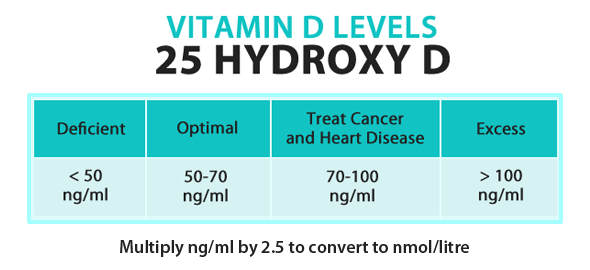
    Appropriate sun exposure is all it takes to keep your levels where they need to be for healthy brain function. If this is not an option, a safe tanning bed is the next best alternative, followed by a vitamin D3 supplement. It now appears as though most adults need about 8,000 IU's of vitamin D a day in order to get their serum levels above 40 ng/ml, which is the lowest they should be. Ideally, your serum levels should be between 50-70 ng/ml, and up to 100 ng/ml to treat cancer and heart disease. However, it's important to realize that there's no magic dosage when it comes to vitamin D. What's important is your serum level, so you need to get your vitamin D levels tested to make sure you're staying within the optimal and therapeutic ranges as indicated below.

    vitamin d levels 


     3. Challenge Your Mind
     
    One of the simplest methods to boost your brain function is to keep on learning. The size and structure of neurons and the connections between them actually change as you learn. This can take on many forms above and beyond book learning to include activities like traveling, learning to play a musical instrument or speak a foreign language, or participating in social and community activities.
    Another important method? Brain aerobics. As with learning, challenging your brain with mind-training exercises can keep your brain fit as you age. This can be something as simple as thinking of famous people whose first names begin with the letter A, doing crossword puzzles or playing board games that get you thinking. Research has even shown that surfing the Web activates regions in your brain related to decision-making and complex reasoning.xiii So unlike passively watching TV, using the Internet is an engaging task that may actually help to improve your brainpower. 


    for more information on this you can read further at this website good-brain-health-tips


Monday, 24 March 2014

Does Exercise Lead To A Better Brain

I always come accross health articles and shows that talk about exercise helping improve your brain function and activity level of the mind.

i would like to find out your opinions on this matter. I have posted a link to an article i have just read, maybe it can help everyone understand this issue better and maybe even convince you once and for all.


Thursday, 6 March 2014

Water


WATER

Water is one of the most important fluids for humans and all other animals. It not only plays an important role in our survival, it also helps the brain function and the body stay healthy.
Water just like everything else has its advantages and disadvantages, and should be consumed in a moderate manner. Too much of it can be bad for your body. I am going to write on some of the benefits and disadvantages of water and how much water should we consume.

How much should you drink every day?
How much water should you drink each day? It's a simple question with no easy answers. Studies have produced varying recommendations over the years, but in truth, your water needs depend on many factors, including your health, how active you are and where you live.
Although no single formula fits everyone, knowing more about your body's need for fluids will help you estimate how much water to drink each day.


BENEFITS
Water is your body's principal chemical component and makes up about 60 percent of your body weight. Every system in your body depends on water. For example, water flushes toxins out of vital organs, carries nutrients to your cells and provides a moist environment for ear, nose and throat tissues.
Lack of water can lead to dehydration, a condition that occurs when you don't have enough water in your body to carry out normal functions. Even mild dehydration can drain your energy and make you tired.

1) Drinking Water Keeps You Young
Drinking plenty of water is great for your skin. If you don't drink enough water, you'll suffer from dry skin, and you'll be likely to use more creams and lotions to moisturize. However, creams and lotions don't strike at the root of the problem. Drinking plenty of water keeps your skin moisturized and reduces the appearance of fine lines and wrinkles.
If you don't drink enough water, your body will try to retain it in order to conserve resources. This retention makes your skin puffy and can even lead to bloating.
2) Drinking Water Helps You Lose Weight
There's a reason why most diets and fitness programs ask you to drink a lot of water. One of the benefits of drinking water is that it helps you lose weight.
Water suppresses your appetite, so you don't eat as much. Drinking plenty of water also prevents fluid retention, because your body won't try to retain water if it's getting enough.
Drinking water also helps your body burn stored fat. If you're not drinking enough water, your liver will be forced to help your kidneys detoxify your body. When you drink plenty of water, your kidneys don't need any extra help, so your liver will be able to metabolize stored fat more efficiently. Drinking water flushes toxins from your body and prevents constipation.
3) Drinking Water Helps You Build Muscle
Another benefit of drinking water is that it makes your muscles stronger. That's because water carries oxygen to the cells of your body, including those of your muscles. Drinking plenty of water enables your muscles to work harder and longer before they feel tired, and this can help you build muscle.
4) Drinking Water Makes You Smarter
Drinking water can increase your cognitive function. Your brain needs a lot of oxygen in order to function at optimum levels. Drinking plenty of water ensures that your brain gets all the oxygen it needs. Drinking eight to ten cups of water per day can improve your levels of cognitive performance by as much as 30%!
Drinking plenty of water also supports nerve function. It ensures that your body's electrolyte levels remain high enough to allow your nerves to relay messages to and from the brain in the way they were meant to.
This are some of the few benefits of drinking water.      

DISADVANTAGES
Drinking excessive amounts can also lead to loss of sleep as people have to get up in the night to go to the toilet, and other studies show it can even cause kidney damage, instead of preventing it.
Worryingly, Dr McCartney also warns that taking on too much water can lead to a rare but potentially fatal condition called Hyponatraemia, which sees the body’s salt levels drop and can lead to swelling of the brain.
In 2003 actor Anthony Andrews, who starred in the I TV adaptation of Brideshead Revisited, was hit by the illness after drinking too much water during rehearsals for a West End role.

Saturday, 22 February 2014

WELCOME


NEW WELCOME: My name is Stephanus Kangungu and I'd like to take this opportunity to welcome you to my blog. The main purpose of my blog is to discuss and identify ways in which one can attain an active mind and healthy body. I will also be writing about different ways of exercising everyday that is a fun activity

My main goal with my blog is to get you to enjoy exercise, find a way to do it every day and combine that with making better decisions about the food you put in your body. 

 DISCLAIMER: THIS BLOG SERVES AN ASSIGNMENT I AM TO BE EVALUATED ON FOR THE SUBJECT, BLOG & WEB DEVELOPMENT The information on my blog is provided on an “as is,” “as available” basis. You agree that your use of my website/blog is at your sole risk. I disclaim all warranties of any kind, including but not limited to, any express warranties, fitness for a particular purpose, and non-infringement. I do not warrant that my blog will always be available, access will be uninterrupted, be error-free, and meet your requirements. Information on my website/blog should not to be construed to be professional advice from me.

OBSCENE AND OFFENSIVE CONTENT I am not responsible for any obscene or offensive content that you receive or view from others while using my website/blog. However, if you do receive or view such content, please contact me by e-mail at stephanuskangungu@gmail.com so that I can investigate the matter. Although I am not obligated to do so, I reserve the right to monitor, investigate, and remove obscene or offensive material posted to my website/blog.